
Flu or Pneumonia? How to Know When It’s Time for the ER

When someone you love is sick it’s hard to know what to do next. Is this “just the flu,” or could it be something more serious like pneumonia? Should you wait it out, call urgent care, or head straight to the ER?
If you’re asking these questions, you’re not alone. During flu season (and especially with COVID, RSV, and other respiratory illnesses circulating), symptoms can overlap and waiting too long can make things worse.
This guide is here to help you make a clear, confident decision, fast. No medical jargon. No scare tactics. Just practical guidance on when it’s time to go to the ER and what to expect when you arrive.
Flu vs. Pneumonia: Why It’s Hard to Tell the Difference
Both flu and pneumonia can start suddenly and feel overwhelming. Fever, body aches, cough, and fatigue are common in both illnesses especially in the first 24–72 hours.
Here’s a simple way to think about it:
- Flu is usually a viral illness that hits fast and makes you feel miserable, but many people recover at home with rest, fluids, and monitoring.
- Pneumonia is an infection in the lungs that can become serious or life-threatening, especially for young children, older adults, or people with chronic conditions.
The challenge? The flu can turn into pneumonia, and early symptoms don’t always look severe at first. That’s why knowing the red flags matters.
It’s Time for the E.R. If You Notice Any of These Symptoms
If you or a loved one is experiencing any of the following, it’s time to seek emergency care:
Breathing or Chest Symptoms
- Shortness of breath or struggling to breathe
- Rapid or shallow breathing
- Chest pain, especially when breathing or coughing
- Bluish lips or fingertips
Fever Concerns
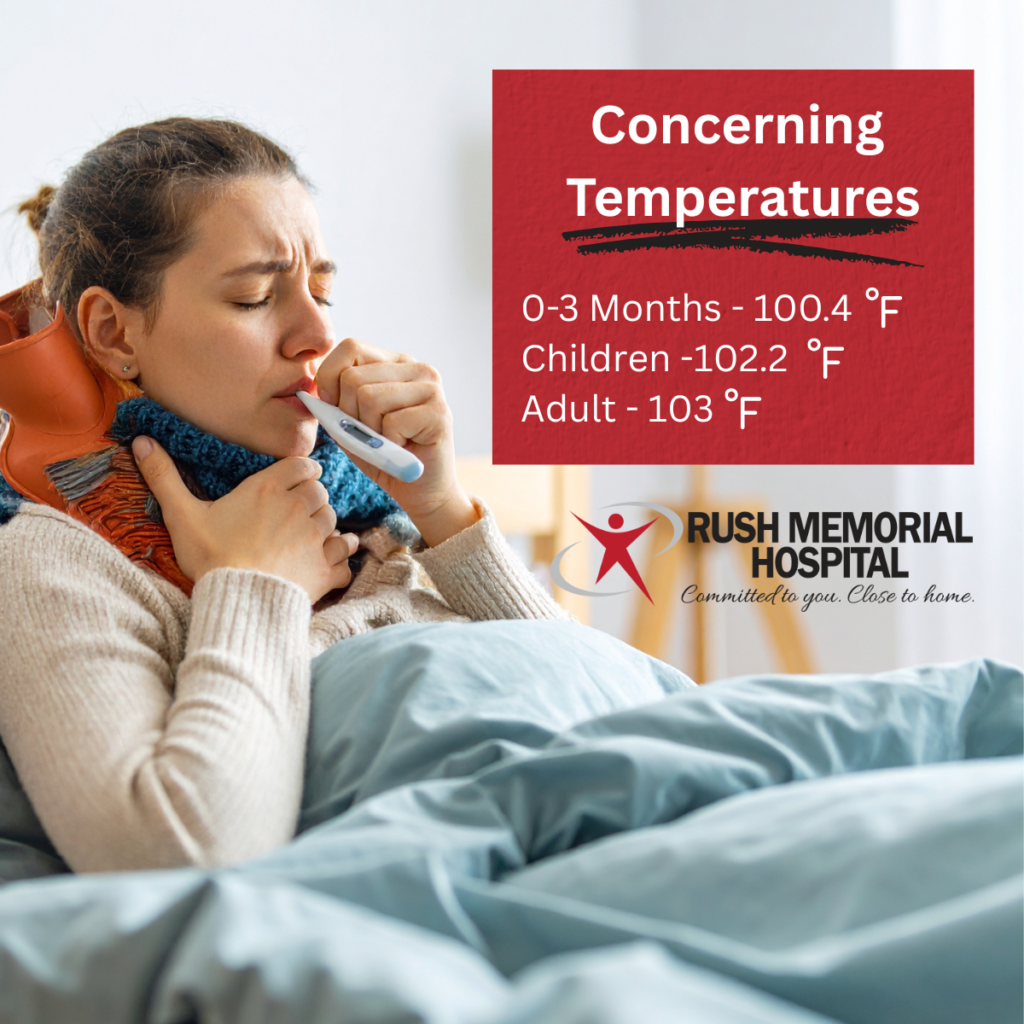
- Fever over 103°F in adults
- Fever over 100.4°F in infants under 3 months
- Fever over 102°F in children 3 months or older
- Fever that won’t come down with medication
- Fever that returns after seeming to improve
Mental or Physical Changes
- Confusion, extreme drowsiness, or trouble waking up
- Sudden dizziness or fainting
- Severe weakness or inability to stand
Special Warning Signs in Children
- Fast breathing or chest pulling in with breaths, wheezing or noisy breathing
- Refusing to eat or drink
- Fewer wet diapers than usual
- Unusual irritability or lethargy
Higher Risk Adults
Go to the ER sooner if symptoms affect someone who:
- Is over age 65
- Has asthma, COPD, heart disease, diabetes, or a weakened immune system
- Is pregnant
- Recently had COVID, flu, or RSV
Trust your instincts. If something feels “off,” the ER is the right place to be.
When Urgent Care Is NOT Enough
Urgent care can help with mild flu symptoms but it’s not equipped for serious respiratory distress, chest pain, or rapidly worsening illness.
Choose the ER instead of urgent care if:
- Symptoms are getting worse quickly
- Breathing is affected
- Oxygen, imaging, IV fluids, or hospital admission might be needed
- It’s the middle of the night, weekend, or holiday
Emergency rooms are open 24/7 and ready for life-threatening situations.
Bottom Line: When in Doubt, Go to the ER
Flu symptoms can feel scary, but pneumonia and other complications can be dangerous if ignored.
If breathing is hard, fever is high, symptoms are worsening, or your gut says something isn’t right, don’t wait.
Seconds matter. So do you.
The ER is here for life’s emergencies; fast, local, and ready when it counts.
FAQ
Yes, especially if your child has fast breathing, high fever, dehydration, or is unusually sleepy or irritable.
Yes. Emergency rooms follow strict infection control procedures to protect patients and families.
Yes, especially for young children, older adults, and people with chronic conditions. Early treatment saves lives.
If you’re unsure and symptoms are concerning, it’s better to be checked. The ER is designed for exactly these situations.
Watch for worsening cough, chest pain, trouble breathing, or fever that returns after improving. These are signs to go to the ER.